
The linear economic model that has dominated global industry since the Industrial Revolution—often summarized as “take, make, dispose”—has reached its ecological and logical limit. It is a system built on the assumption of infinite resources and infinite waste sinks, a fallacy now laid bare by climate change, biodiversity loss, and planetary pollution. In response, the concept of the circular economy has emerged not merely as a sustainability strategy, but as a fundamental reimagining of how we design, produce, and consume. It proposes a systemic shift from a degenerative to a regenerative model, decoupling economic activity from the consumption of finite resources and designing waste out of the system.
At its core, the circular economy is inspired by natural ecosystems, where nothing is wasted; the output of one process becomes the input for another. This biomimetic principle is translated into an economic framework built on three key pillars, as articulated by the Ellen MacArthur Foundation: eliminate waste and pollution, circulate products and materials at their highest value, and regenerate natural systems. Unlike traditional recycling, which often downcycles materials into lower-value products, circularity emphasizes maintaining the integrity and value of materials for as long as possible through smarter design, reuse, repair, remanufacturing, and, as a last resort, high-quality recycling.
The implementation of a circular economy hinges on transformative design. This involves designing products for durability, modularity, and ease of disassembly, enabling components to be recovered and reused. It shifts the business model from selling products to providing services—such as leasing lighting, mobility, or appliances—where the manufacturer retains ownership of the materials, incentivizing longevity and recoverability. A notable example is the shift in the textile industry from “fast fashion” to models offering garment repair, rental, and resale, thus tackling one of the world’s most polluting sectors.
The environmental imperative for this transition is unequivocal. By keeping materials in use, we drastically reduce the need for virgin resource extraction, lowering associated greenhouse gas emissions, deforestation, water scarcity, and habitat destruction. For instance, circular approaches in the steel, aluminum, cement, and plastic industries could cut global CO2 emissions from these sectors by 40% by 2050. Furthermore, by regenerating natural systems—through practices like regenerative agriculture that rebuild soil health—the circular economy actively restores, rather than merely mitigates, ecological damage.
However, the promise of the circular economy extends beyond environmental salvation to profound economic and social benefits. It fosters innovation, creating new markets and business opportunities in repair services, reverse logistics, and material innovation. It can enhance resilience by reducing dependence on volatile global commodity markets and fragile supply chains. Socially, it can promote local job creation in collection, refurbishment, and remanufacturing—activities that are less easily automated and often community-based. It also reconnects consumers with the lifecycle of products, fostering a culture of care and responsibility over one of disposability.
The path to a circular system is fraught with challenges. It requires a wholesale transformation of entrenched global supply chains, significant upfront investment in new infrastructure, and a radical collaboration between competitors, governments, and consumers. Current economic policies, from subsidies for virgin materials to tax structures that favor new goods over repaired ones, often perpetuate the linear model. Overcoming these barriers demands coherent regulatory frameworks, such as Extended Producer Responsibility (EPR) laws, eco-design standards, and fiscal incentives that make circular practices the most economically viable choice.
In conclusion, the circular economy represents a paradigm shift in our relationship with materials and growth. It is a holistic vision of sustainability that moves beyond efficiency and reduction to create a system that is inherently restorative. It is not about doing less harm, but about designing for positive impact. While the transition is complex, the alternative—a continued trajectory on a linear path within a finite world—is not a viable option. Embracing the circular economy is therefore an act of pragmatic optimism, offering a blueprint for a prosperous, resilient, and regenerative future where economic progress and planetary health are not in opposition, but are inextricably and intelligently linked.
Related Posts
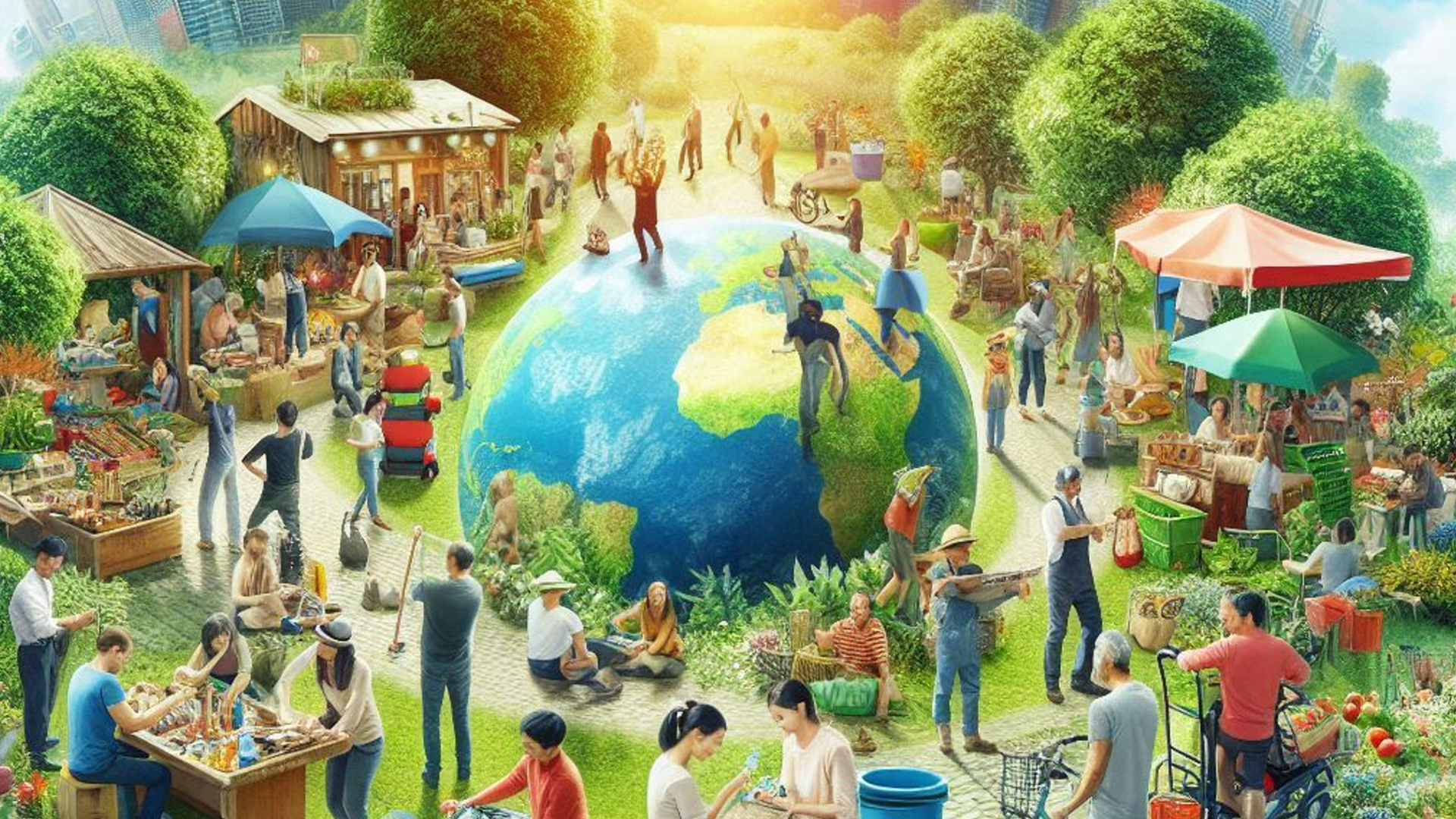
The Imperative of Environmental Sustainability
Abstract: Environmental sustainability has evolved from a niche concern to a…
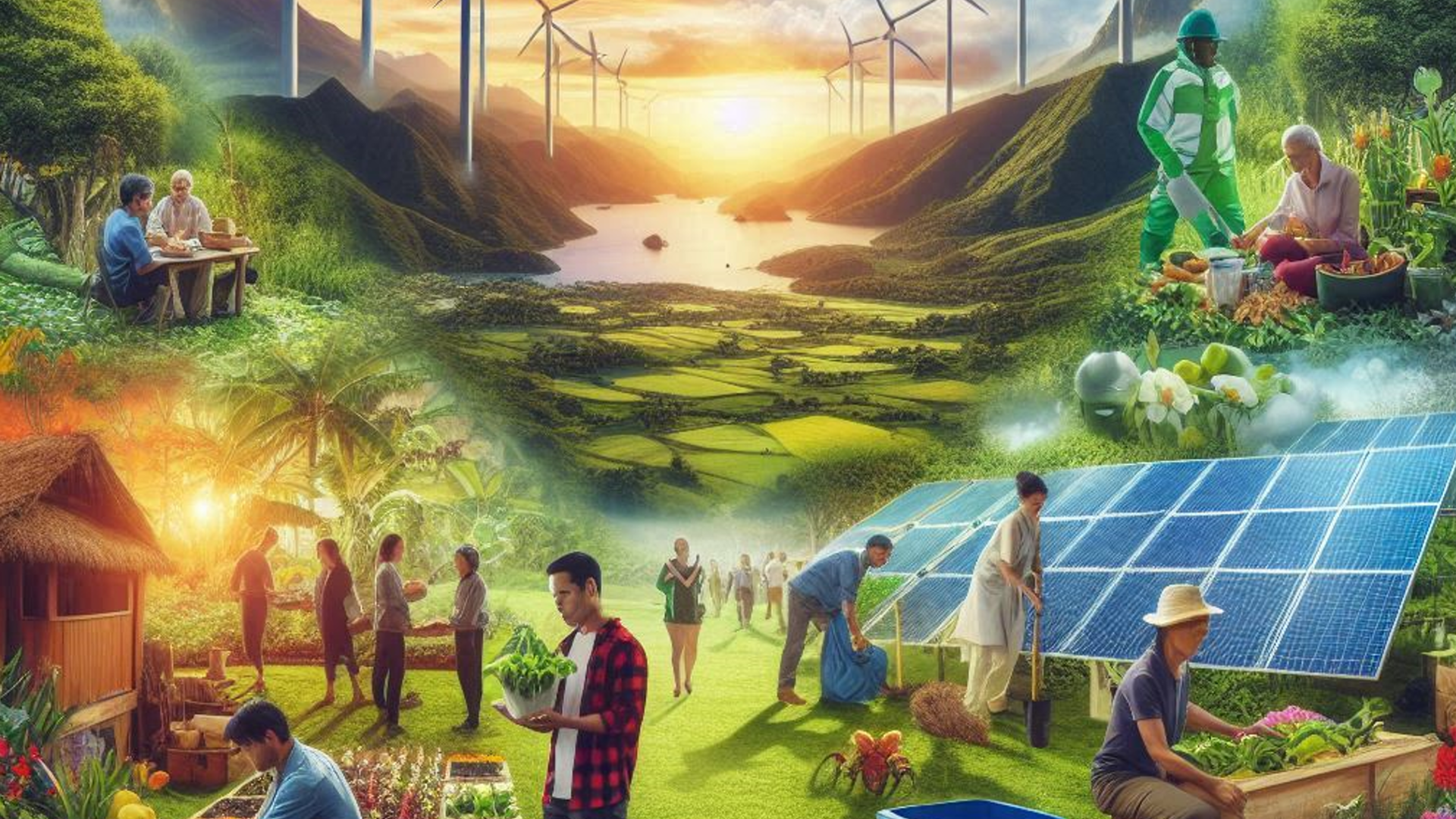
Resource Management: The Cornerstone of Sustainability
Sustainability, at its core, is a principle of endurance—the capacity…

Biodiversity and Ecosystem Protection
Sustainability is a vision of a future where human society…